British Tank Corps Markings & Schemes
| Camouflages britanniques / British Schemes | |
 |
Camouflage gris des premières
voitures blindées du Royal Naval Air Service / Gray scheme of the first armoured cars of Royal the Naval Air Service |
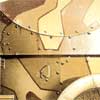 |
Camouflage trois tons des voitures blindées
du Royal Naval Air Service / 3-color scheme of the first armoured cars of Royal the Naval Air Service |
 |
Camouflage vert de gris des voitures blindées
de l'armée de terre (mais aussi du Royal Naval Air Service)
/ Green-gray scheme of the armored cars of Army (but also of Royal the Naval Air Service) |
 |
Camouflage vert olive des voitures blindées
de l'armée de terre (mais aussi du Royal Naval Air Service)
/ Green-olive scheme of the armored cars of Army (but also of Royal the Naval Air Service) |
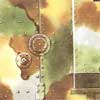 |
Camouflage trois tons des premiers tanks / 3-color scheme of the first tanks. |
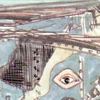 |
Autre camouflage trois tons. L'oeil vient d'une
remarque d'un ouvrier chinois: "Comment les tanks peuvent voir
sans oeil?" / Other 3-color scheme. The eye comes of a remark of a Chinese workman: "How the tanks can see without eye?" |
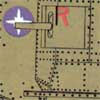 |
Camouflage vert des tanks, de fin de guerre
/ Green scheme of the tanks, late of war. |
| Marquages britanniques / British Markings | |
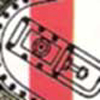 |
Marque de distinction du Tank Corps adopté
au printemps 1918 / Distinctive mark of the Tank Corps adopted in spring 1918. |
A |
Chaque compagnie créée recevait
une lettre de l'alphabet (ec. Compagnie A, Compagnie B, ...) |
C121 |
Chaque char avait son "call sign".
|
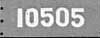 |
Ce type de numéro est un numéro
de série sans aucune signification tactique / This type of number is a serial number without any tactical significance. |
Playing cards |
Symboles de cartes à jouer (coeur, pique,
trèfle et carreau). Rien à voir avec le système utilisé par les Français, il s'agissait plus d'un symbole d'unité / Card deck symbols (heart, spade, clover and square). Nothing to see with the system used by the French, it s' more a symbol of unit. |
Dummy slits |
De fausses fentes de visions ou de fausses extentions
de fentes existentes étaient peintes sur certains chars pour
tromper les snipers ennemis / False slits of visions or false extentions of true slits were painted on certain tanks to mislead the enemy snipers. |
Personnal markings |
Certains équipages aposaient sur leurs
chars leurs propres inscriptions personnelles, comme par exemple
des des caricatures des soldats allemands, crânes, petits
drapeaux, pin-up-girls,... / Certain crews affixed on their tanks their own personal inscriptions, such as for example of caricatures of the German soldiers, craniums, small flags, pine-up-girls,… |


-
L'Uniforme et les Armes des Soldats de la Guerre 1914-1918 , Tome 1, Ed. Casterman